The Challenge
As the sole UX designer at JMP, I partnered closely with product managers, engineers, statisticians, researchers, and leadership to rethink how users managed analytical work.
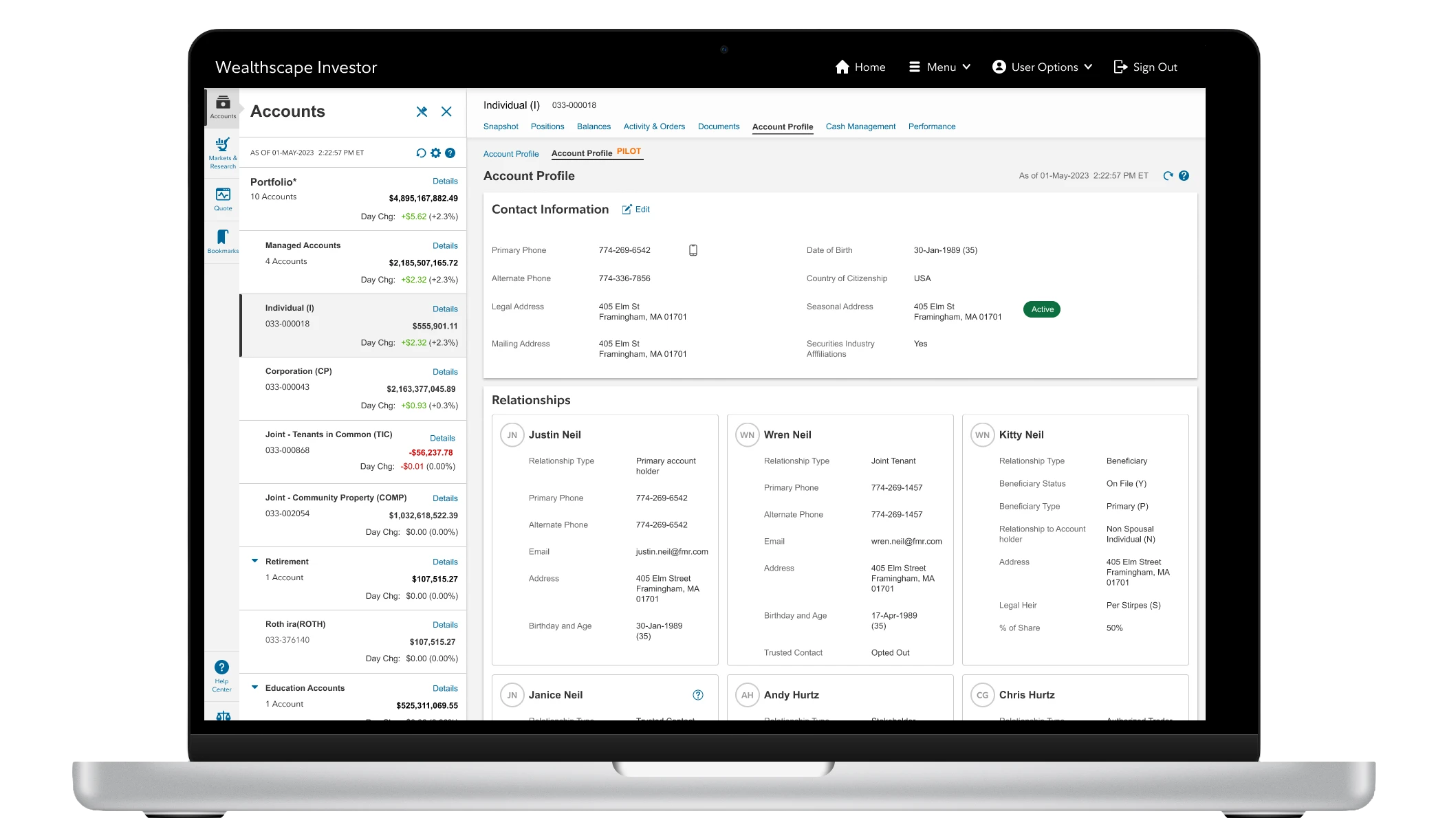
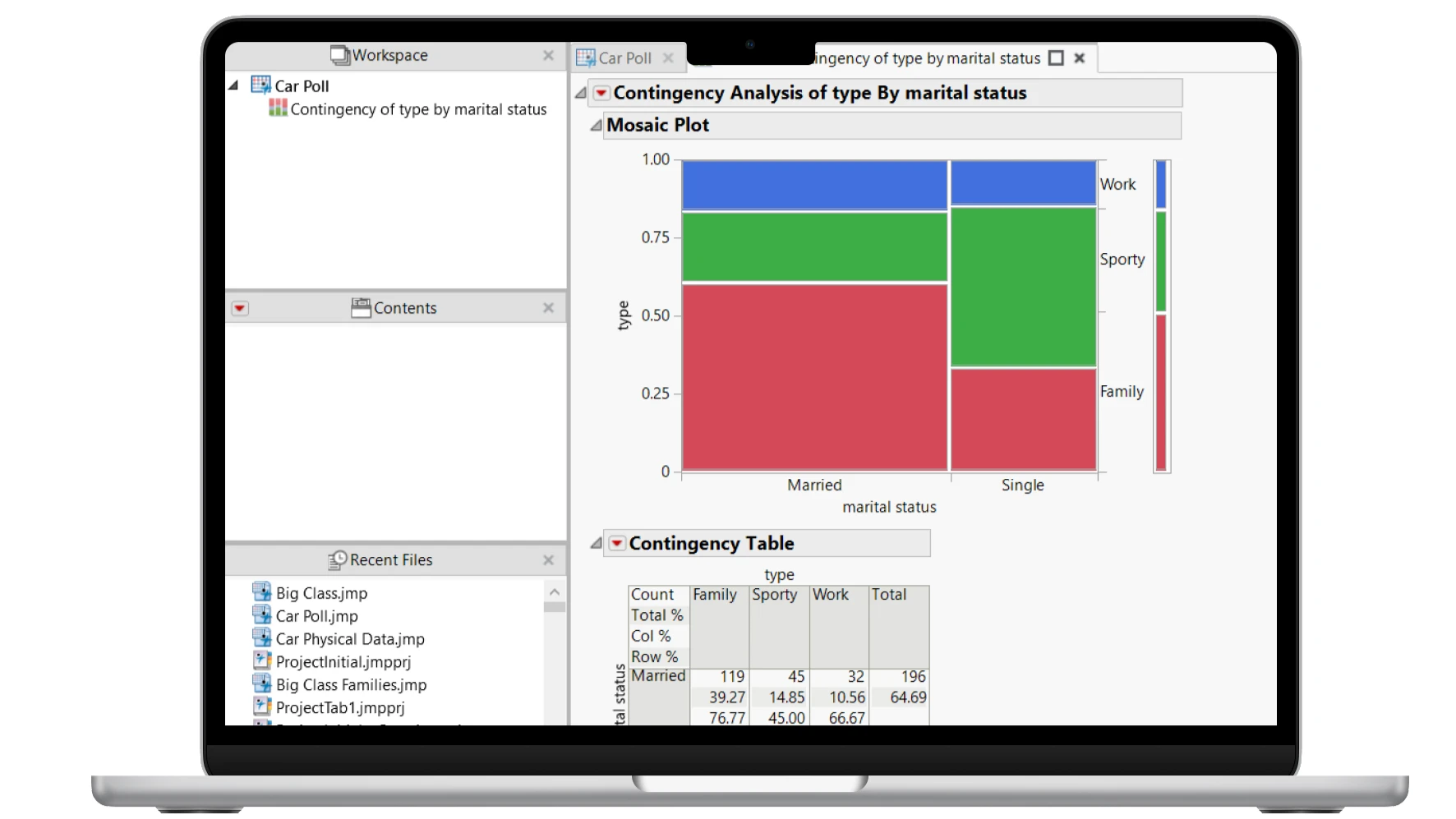
JMP generates a new window for nearly every step of an analysis. A researcher might start with a dataset, run several analyses, create reports, build visualizations, and write scripts; all resulting in separate windows spread across their desktop.
As projects grew in complexity, so did the number of windows users had to manage. Finding the right report, remembering where a script was saved, or reconnecting pieces of analysis from weeks earlier often became a challenge.
At first glance, this looked like an organizational problem. Users were overwhelmed by the number of assets they needed to manage, and there was no clear way to keep everything connected throughout the lifecycle of a project.
The goal was to create a more structured way for users to organize their work without disrupting the flexibility that made JMP such a powerful analytical tool.
Research & Insights
As I spoke with more users, I realized the problem was larger than I originally thought.
While users certainly struggled with managing windows, many had already developed personal systems to stay organized. The bigger challenge appeared when they needed to share their work with someone else.
A project wasn’t just a dataset or a report. It was a collection of analyses, scripts, visualizations, journals, and supporting materials that all contributed to a larger story.
Sharing that work often meant manually gathering assets from multiple locations and hoping nothing was overlooked.
One of the most important insights from research was that users rarely talked about individual files. Instead, they talked about “the project” they were working on. The files mattered, but users thought about their work as a complete analytical effort.
That shift changed how I approached the problem. The challenge wasn’t simply helping users manage windows. It was helping them manage and share an entire analytical workflow.
Designing the Solution
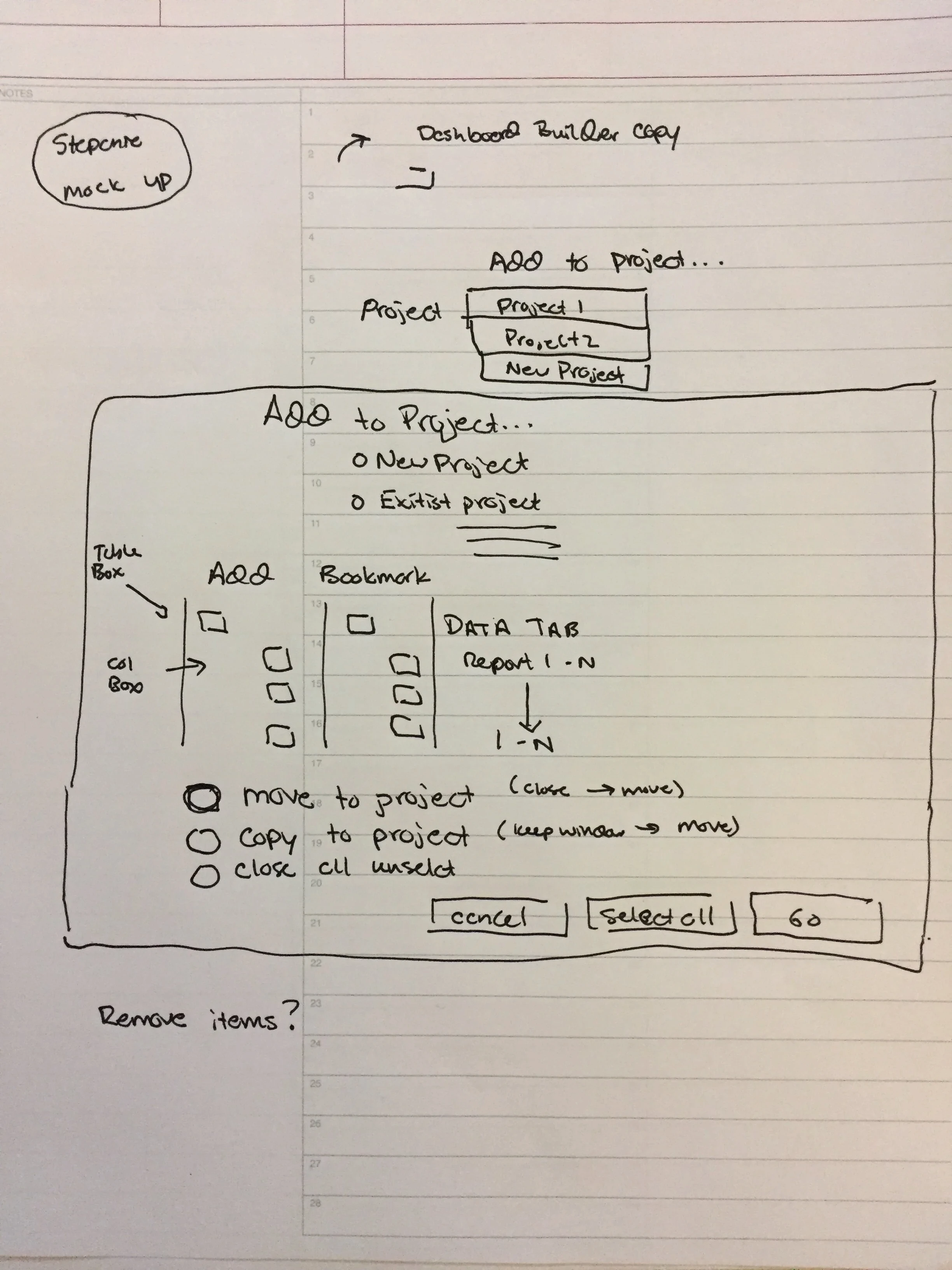
This insight led us toward the concept of Projects as a central workspace where users could keep related assets together, maintain context, and more easily share their work with others.
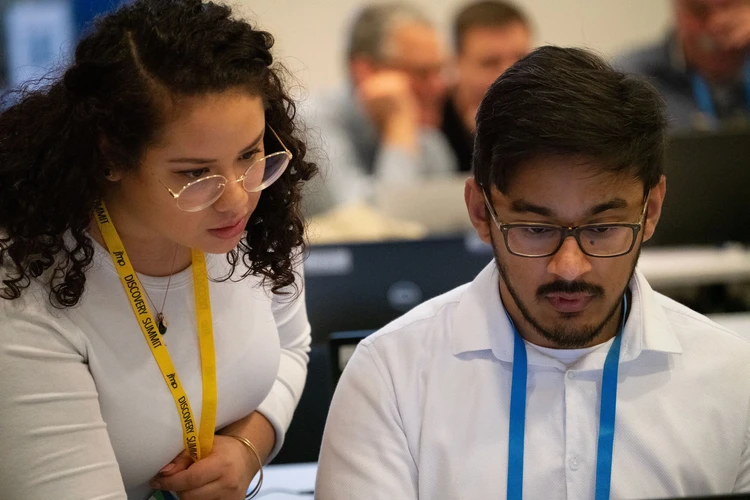
Throughout the project, I worked closely with cross-functional partners to balance user needs, technical constraints, and product goals. Extensive user testing helped validate concepts, uncover usability issues, and prioritize the features that would provide the most value to statisticians, researchers, and academic users.
One of the most debated decisions involved organizational flexibility. I advocated for allowing users to create folders within Projects because it aligned with how many participants naturally organized their work. At the same time, the team needed to consider implementation complexity, maintenance costs, and long-term scalability.
Those conversations reinforced an important lesson for me: great experiences aren’t created by saying yes to every request. They’re created by understanding what users need most and finding solutions that are both valuable and sustainable.
Beyond Organization
One of the most interesting outcomes of this project was how the opportunity evolved over time.
What started as an effort to help users organize analytical work gradually became a conversation about collaboration. Once users could bring datasets, reports, scripts, and journals together within a single project, it naturally raised the next question: how do they share that work with others?
This thinking ultimately helped shape the relationship between JMP Projects and JMP Live. What began as a way to keep analytical work organized became part of a larger workflow that supported sharing and collaboration as well.
Looking back, that’s probably the biggest lesson I took away from this project. Solving one problem often reveals the next opportunity.
If I had the opportunity to continue exploring this space, I would be particularly interested in what comes after sharing. Many analytical workflows still rely on handing work from one person to another. I’d love to explore how collaboration could become more interactive, creating an experience where teams can contribute, review, and iterate together around a shared project rather than simply exchanging files.
That idea was outside the scope of this initiative, but it continues to influence how I think about product design today. The most interesting opportunities are often found by looking beyond the immediate problem and understanding how people work together as part of a larger system.
The Challenge
As the sole UX designer at JMP, I partnered closely with product managers, engineers, statisticians, researchers, and leadership to rethink how users managed analytical work.
JMP generates a new window for nearly every step of an analysis. A researcher might start with a dataset, run several analyses, create reports, build visualizations, and write scripts; all resulting in separate windows spread across their desktop.
As projects grew in complexity, so did the number of windows users had to manage. Finding the right report, remembering where a script was saved, or reconnecting pieces of analysis from weeks earlier often became a challenge.
At first glance, this looked like an organizational problem. Users were overwhelmed by the number of assets they needed to manage, and there was no clear way to keep everything connected throughout the lifecycle of a project.
The goal was to create a more structured way for users to organize their work without disrupting the flexibility that made JMP such a powerful analytical tool.
Research & Insights
As I spoke with more users, I realized the problem was larger than I originally thought.
While users certainly struggled with managing windows, many had already developed personal systems to stay organized. The bigger challenge appeared when they needed to share their work with someone else.
A project wasn’t just a dataset or a report. It was a collection of analyses, scripts, visualizations, journals, and supporting materials that all contributed to a larger story.
Sharing that work often meant manually gathering assets from multiple locations and hoping nothing was overlooked.
One of the most important insights from research was that users rarely talked about individual files. Instead, they talked about “the project” they were working on. The files mattered, but users thought about their work as a complete analytical effort.
That shift changed how I approached the problem. The challenge wasn’t simply helping users manage windows. It was helping them manage and share an entire analytical workflow.
Designing the Solution
This insight led us toward the concept of Projects as a central workspace where users could keep related assets together, maintain context, and more easily share their work with others.
Throughout the project, I worked closely with cross-functional partners to balance user needs, technical constraints, and product goals. Extensive user testing helped validate concepts, uncover usability issues, and prioritize the features that would provide the most value to statisticians, researchers, and academic users.
One of the most debated decisions involved organizational flexibility. I advocated for allowing users to create folders within Projects because it aligned with how many participants naturally organized their work. At the same time, the team needed to consider implementation complexity, maintenance costs, and long-term scalability.
Those conversations reinforced an important lesson for me: great experiences aren’t created by saying yes to every request. They’re created by understanding what users need most and finding solutions that are both valuable and sustainable.
Beyond Organization
One of the most interesting outcomes of this project was how the opportunity evolved over time.
What started as an effort to help users organize analytical work gradually became a conversation about collaboration. Once users could bring datasets, reports, scripts, and journals together within a single project, it naturally raised the next question: how do they share that work with others?
This thinking ultimately helped shape the relationship between JMP Projects and JMP Live. What began as a way to keep analytical work organized became part of a larger workflow that supported sharing and collaboration as well.
Looking back, that’s probably the biggest lesson I took away from this project. Solving one problem often reveals the next opportunity.
If I had the opportunity to continue exploring this space, I would be particularly interested in what comes after sharing. Many analytical workflows still rely on handing work from one person to another. I’d love to explore how collaboration could become more interactive, creating an experience where teams can contribute, review, and iterate together around a shared project rather than simply exchanging files.
That idea was outside the scope of this initiative, but it continues to influence how I think about product design today. The most interesting opportunities are often found by looking beyond the immediate problem and understanding how people work together as part of a larger system.
The Challenge
As the sole UX designer at JMP, I partnered closely with product managers, engineers, statisticians, researchers, and leadership to rethink how users managed analytical work.
JMP generates a new window for nearly every step of an analysis. A researcher might start with a dataset, run several analyses, create reports, build visualizations, and write scripts; all resulting in separate windows spread across their desktop.
As projects grew in complexity, so did the number of windows users had to manage. Finding the right report, remembering where a script was saved, or reconnecting pieces of analysis from weeks earlier often became a challenge.
At first glance, this looked like an organizational problem. Users were overwhelmed by the number of assets they needed to manage, and there was no clear way to keep everything connected throughout the lifecycle of a project.
The goal was to create a more structured way for users to organize their work without disrupting the flexibility that made JMP such a powerful analytical tool.
Research & Insights
As I spoke with more users, I realized the problem was larger than I originally thought.
While users certainly struggled with managing windows, many had already developed personal systems to stay organized. The bigger challenge appeared when they needed to share their work with someone else.
A project wasn’t just a dataset or a report. It was a collection of analyses, scripts, visualizations, journals, and supporting materials that all contributed to a larger story.
Sharing that work often meant manually gathering assets from multiple locations and hoping nothing was overlooked.
One of the most important insights from research was that users rarely talked about individual files. Instead, they talked about “the project” they were working on. The files mattered, but users thought about their work as a complete analytical effort.
That shift changed how I approached the problem. The challenge wasn’t simply helping users manage windows. It was helping them manage and share an entire analytical workflow.
Designing the Solution
This insight led us toward the concept of Projects as a central workspace where users could keep related assets together, maintain context, and more easily share their work with others.
Throughout the project, I worked closely with cross-functional partners to balance user needs, technical constraints, and product goals. Extensive user testing helped validate concepts, uncover usability issues, and prioritize the features that would provide the most value to statisticians, researchers, and academic users.
One of the most debated decisions involved organizational flexibility. I advocated for allowing users to create folders within Projects because it aligned with how many participants naturally organized their work. At the same time, the team needed to consider implementation complexity, maintenance costs, and long-term scalability.
Those conversations reinforced an important lesson for me: great experiences aren’t created by saying yes to every request. They’re created by understanding what users need most and finding solutions that are both valuable and sustainable.
Beyond Organization
One of the most interesting outcomes of this project was how the opportunity evolved over time.
What started as an effort to help users organize analytical work gradually became a conversation about collaboration. Once users could bring datasets, reports, scripts, and journals together within a single project, it naturally raised the next question: how do they share that work with others?
This thinking ultimately helped shape the relationship between JMP Projects and JMP Live. What began as a way to keep analytical work organized became part of a larger workflow that supported sharing and collaboration as well.
Looking back, that’s probably the biggest lesson I took away from this project. Solving one problem often reveals the next opportunity.
If I had the opportunity to continue exploring this space, I would be particularly interested in what comes after sharing. Many analytical workflows still rely on handing work from one person to another. I’d love to explore how collaboration could become more interactive, creating an experience where teams can contribute, review, and iterate together around a shared project rather than simply exchanging files.
That idea was outside the scope of this initiative, but it continues to influence how I think about product design today. The most interesting opportunities are often found by looking beyond the immediate problem and understanding how people work together as part of a larger system.